
ARVIN SKIN HOSPITAL · SKIN & HAIR HEALTH
In this article
- What is persistent facial redness?
- Symptoms of persistent facial redness
- What causes persistent facial redness?
- What can make facial redness worse?
- Rosacea vs acne: what is the difference?
- Daily skin care for sensitive and red skin
- Can persistent facial redness be treated?
- When should you see a dermatologist?
- Facial redness and life in Kabul
- Conclusion
- Sources
What is persistent facial redness?
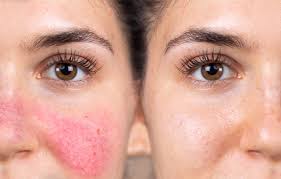
Persistent facial redness, medically known as rosacea in many cases, is a long-term inflammatory skin condition. It usually affects the central part of the face, including the cheeks, nose, forehead, and chin. At first, many people think the redness is caused by heat, sun exposure, skin allergy, or simple acne. However, rosacea often comes and goes and may last for a long time.
In this condition, the facial skin becomes more sensitive. A person may feel warmth, burning, tightness, dryness, or irritation. Some people only have redness, while others develop red bumps, small acne-like spots, visible tiny blood vessels, and sometimes eye problems. Trusted dermatology sources, including the American Academy of Dermatology and NIAMS, describe rosacea as a chronic skin condition that can flare and calm down over time. 12
Symptoms of persistent facial redness
Redness and flushing
One of the main signs of rosacea is repeated or persistent redness of the face. This redness may become worse after sun exposure, hot weather, stress, heavy exercise, very hot drinks, or spicy foods.
Red acne-like bumps
Some people with rosacea develop small red bumps or acne-like spots. The key difference is that rosacea usually comes with facial redness, burning, and skin sensitivity, while acne is more often linked with oily skin, blackheads, whiteheads, and clogged pores.
Visible tiny blood vessels
Over time, some people notice thin red blood vessels on the cheeks or around the nose. These vessels may become more visible when redness is long-lasting or when triggers repeatedly cause flare-ups.
Burning, dryness, and sensitivity
Rosacea-prone skin is often easily irritated. Harsh soaps, unknown creams, fragranced products, strong exfoliants, and very hot water can increase burning and redness. This is why gentle skin care is very important.
Eye symptoms
In some patients, rosacea is not limited to the skin and may affect the eyes. Redness, dryness, burning, swollen eyelids, or a gritty feeling in the eyes should be taken seriously. Mayo Clinic notes that ocular rosacea can cause eye inflammation, redness, burning, and itching. 13
What causes persistent facial redness?
The exact cause of rosacea is not fully known. Several factors may play a role, including family history, an overactive immune response, sensitive facial blood vessels, and environmental triggers. Mayo Clinic explains that rosacea is not caused by poor hygiene and cannot be caught from another person. 14
What can make facial redness worse?
Rosacea triggers can be different for each person. A trigger that causes strong redness in one patient may not affect another patient in the same way. However, common triggers include:
- Too much sun exposure
- Very hot or very cold weather
- Stress and emotional pressure
- Spicy foods and very hot drinks
- Harsh soaps and irritating skin care products
- Fragranced or alcohol-based products
- Heavy exercise without proper skin care
- Pollution, dust, and dry air
The American Academy of Dermatology recommends that people with rosacea identify their personal triggers and try to avoid the factors that lead to flare-ups. 15
Rosacea vs acne: what is the difference?
Rosacea is sometimes confused with acne because both conditions can cause red bumps on the face. However, rosacea usually includes general facial redness, warmth, burning, sensitivity, and visible tiny blood vessels. Acne is more commonly associated with oily skin, blackheads, whiteheads, and blocked pores.
For this reason, using acne medicines without medical advice may not be suitable for rosacea. Some strong medicines or creams can irritate sensitive skin and make redness worse.
Daily skin care for sensitive and red skin
Use a gentle cleanser
Wash the face with a mild, fragrance-free cleanser. Washing too often, rubbing harshly, or using very hot water can increase redness and burning.
Keep the skin moisturized
A suitable moisturizer can support the skin barrier and reduce dryness, tightness, and burning. For sensitive skin, simple, gentle, and fragrance-free products are usually preferred.
Take sunscreen seriously
Sun exposure is one of the most important rosacea triggers. A sunscreen suitable for sensitive skin, along with a hat, shade, and avoiding strong sunlight, can be helpful. In Kabul, daily protection is especially important because of sun exposure, dust, dry air, and pollution.
Choose skin care products carefully
People with persistent facial redness should avoid fragranced products, alcohol-based products, harsh exfoliants, strong soaps, and unknown creams. The American Academy of Dermatology states that gentle skin care can help reduce discomfort and improve rosacea control. 16
Can persistent facial redness be treated?
Rosacea is usually a long-term condition and may not disappear completely. However, with proper diagnosis, regular skin care, and appropriate treatment, symptoms can often be controlled very well. NIAMS explains that there is no single cure for rosacea, but there are ways to help the skin look and feel better, and treatment should be tailored to each person. 17
Treatment may include topical medicines, oral medicines in selected cases, and laser or light-based procedures for redness and visible blood vessels. The best option should be chosen after examination by a qualified dermatologist.
When should you see a dermatologist?
You should consider seeing a dermatologist if facial redness keeps returning, red bumps appear with burning, your skin reacts to many products, tiny blood vessels appear on the cheeks or around the nose, or your eyes become red and irritated.
Correct diagnosis is very important because rosacea can be confused with skin allergy, eczema, acne, skin rashes, or other conditions. Using strong creams, unknown medicines, or non-specialist prescriptions may make the condition worse.
Facial redness and life in Kabul
In Kabul, sun exposure, dry air, dust, pollution, and sudden weather changes can irritate sensitive skin. People with rosacea or persistent facial redness should take daily skin care seriously, avoid harsh or unknown products, and visit a specialist if symptoms continue or return.
At Arvin Skin Hospital, patients can receive specialist consultation for persistent facial redness, sensitive skin, acne-like bumps, and rosacea-related concerns. For any skin condition or cosmetic procedure, it is recommended to visit a qualified dermatologist and trusted medical centers such as Arvin Dermatology and Cosmetic Hospital or Kara Skin Hospital.
Conclusion
Persistent facial redness is not just a simple change in skin color. It can be associated with burning, sensitivity, red bumps, visible blood vessels, and daily discomfort. Knowing your triggers, using gentle products, protecting your skin from the sun, and visiting a dermatologist on time can help control symptoms and protect both skin health and appearance.
Sources
- American Academy of Dermatology – Rosacea Overview: https://www.aad.org/public/diseases/rosacea/what-is/overview
- American Academy of Dermatology – Rosacea Skin Care Tips: https://www.aad.org/public/diseases/rosacea/triggers/tips
- Mayo Clinic – Rosacea Symptoms and Causes: https://www.mayoclinic.org/diseases-conditions/rosacea/symptoms-causes/syc-20353815
- NIAMS – Rosacea Overview and Treatment: https://www.niams.nih.gov/health-topics/rosacea
Let’s talk about your skin
Contact our reception team to arrange a consultation or ask about our services.
This article provides general information and does not replace a medical consultation.