
ARVIN SKIN HOSPITAL · SKIN & HAIR HEALTH
In this article
- How Does Laser Hair Removal Work?
- Why Are Multiple Sessions Needed?
- Average Number of Sessions
- Factors That Affect Number of Sessions
- What Happens After Each Session?
- Is Laser Hair Removal Permanent?
- Recommended Time Between Sessions
- Before Treatment: Important Tips
- After Treatment Care
- Common Side Effects
- Common Mistakes to Avoid
- Frequently Asked Questions (FAQ)
- When to See a Dermatologist
- Conclusion
Laser hair removal is one of the most effective and popular methods for reducing unwanted hair. Many patients choose this treatment because it provides long-lasting results compared to shaving, waxing, or threading.
One of the most common questions patients ask is: How many laser hair removal sessions are needed?
This guide explains the factors that affect treatment sessions and what you can realistically expect.
How Does Laser Hair Removal Work?
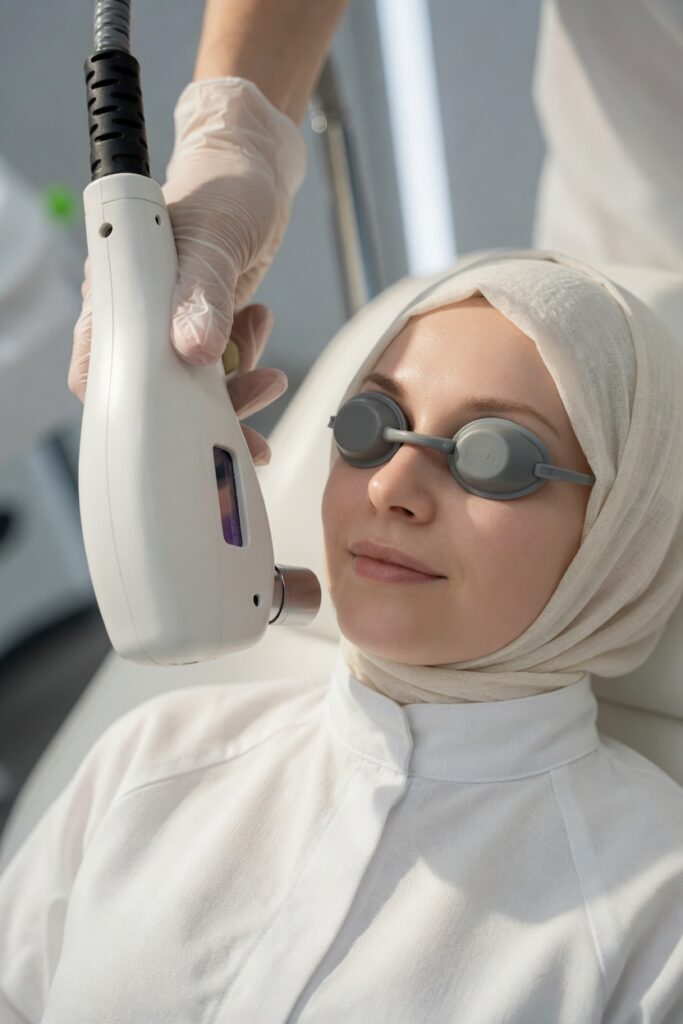
Laser hair removal uses concentrated light energy to target hair follicles.
The laser:
- Damages the follicle
- Reduces future hair growth
- Slows regrowth over time
The treatment works best when hair is in the active growth phase.
Why Are Multiple Sessions Needed?
Not all hair grows at the same time.
Hair grows in cycles:
- Growth phase (anagen)
- Transitional phase
- Resting phase
Laser treatment is most effective during the active growth phase. Because different hairs are in different stages, multiple sessions are necessary.
Average Number of Sessions
Most patients need:
- 6–8 sessions for significant hair reduction
- Maintenance sessions occasionally afterward
Results vary depending on the individual.
Factors That Affect Number of Sessions
1. Hair Color and Thickness
- Dark, thick hair responds best
- Light or fine hair may require more sessions
2. Skin Type
Modern laser devices can safely treat different skin types, but settings must be adjusted appropriately.
3. Treatment Area
Some body areas respond faster than others.
Common Areas:
- Face
- Underarms
- Legs
- Bikini area
- Back and chest
Hormonal areas such as the face may require more sessions.
4. Hormonal Factors
Conditions such as:
- PCOS
- Hormonal imbalance
Can increase hair growth and require additional maintenance.
What Happens After Each Session?
After treatment:
- Hair gradually sheds over 1–3 weeks
- Regrowth becomes thinner and slower
- Hair density decreases over time
Is Laser Hair Removal Permanent?
Laser hair removal provides:
- Long-term hair reduction
- Significant decrease in hair growth
Some fine regrowth may occur over time, which is why maintenance sessions may be needed.
Recommended Time Between Sessions
- Face: every 4–6 weeks
- Body areas: every 6–8 weeks
This timing matches the hair growth cycle.
Before Treatment: Important Tips
- Avoid waxing or plucking before sessions
- Shave the treatment area if instructed
- Avoid sun exposure
After Treatment Care
- Use sunscreen daily
- Avoid hot showers and saunas for 24–48 hours
- Do not scratch or irritate the skin
Common Side Effects
Temporary effects may include:
- Redness
- Mild swelling
- Sensitivity
These usually improve within a few hours or days.
Common Mistakes to Avoid
- Skipping sessions
- Expecting complete removal after one treatment
- Choosing unqualified providers
- Ignoring aftercare instructions
Frequently Asked Questions (FAQ)
Is laser hair removal painful?
Most patients describe it as mild discomfort or a snapping sensation.
Can all skin types be treated?
Yes, modern lasers can treat many skin types safely.
Does hair grow back completely?
Hair becomes much thinner and less noticeable after treatment.
When to See a Dermatologist
Consult a specialist if:
- You have excessive or hormonal hair growth
- You want safe and effective treatment
- You have sensitive skin or pigmentation concerns
Conclusion
Laser hair removal is a safe and effective long-term solution for unwanted hair. Most patients need multiple sessions because hair grows in cycles, but with consistency, the results can be highly satisfying.
Book a Consultation
If you are considering laser hair removal, a professional consultation can help determine the ideal treatment plan based on your skin type, hair type, and treatment goals.
Let’s talk about your skin
Contact our reception team to arrange a consultation or ask about our services.
This article provides general information and does not replace a medical consultation.