
ARVIN SKIN HOSPITAL · SKIN & HAIR HEALTH
In this article
- What Is a Dermatology Hospital?
- Why Is Choosing a Good Dermatology Hospital Important?
- Features of the Best Dermatology Hospital in Kabul
- 1. Presence of Dermatology Specialists
- 2. Scientific Diagnosis Before Starting Treatment
- 3. Clean Environment and Proper Hygiene
- 4. Standard and Suitable Devices
- 5. Experience With Common Skin Problems in Afghanistan
- 6. Clear and Honest Consultation
- The Best Dermatology Hospital for Acne and Acne Scars
- The Best Dermatology Hospital for Facial Pigmentation and Melasma
- The Best Dermatology Hospital for Hair Loss and Hair Transplant
- The Best Dermatology Hospital for Aesthetic Services
- Signs of a Non-Standard Dermatology Center
Choosing the best dermatology hospital in Kabul for the treatment of skin, hair, nail, and aesthetic concerns is an important medical decision. Many patients visit a dermatology hospital when they are dealing with acne, acne scars, facial pigmentation, melasma, hair loss, fungal skin infections, eczema, psoriasis, persistent itching, warts, moles, facial wrinkles, or cosmetic concerns. In these situations, the quality of diagnosis, the experience of doctors, the facilities of the hospital, and proper patient follow-up play an important role in treatment results.
A good dermatology hospital is not simply a place that has several laser machines or offers cosmetic services. A reliable dermatology hospital should work according to medical principles, examine the patient carefully, identify the main cause of the problem, recommend appropriate treatment, and clearly explain the benefits, limitations, and possible side effects before any procedure.
What Is a Dermatology Hospital?
A dermatology hospital is a specialized medical center that focuses on the diagnosis, treatment, and care of diseases of the skin, hair, nails, and some aesthetic concerns. In a well-equipped dermatology hospital, patients can seek care for acne, acne scars, facial pigmentation, hair loss, fungal skin infections, eczema, psoriasis, vitiligo, warts, moles, skin allergies, scabies, leishmaniasis, and pediatric skin diseases.
Aesthetic services such as laser hair removal, Botox, fillers, HIFU, chemical peeling, hydrafacial, PRP, mesotherapy, fractional CO2 laser, subcision, scar treatment, mole removal, and treatment of facial pigmentation should also be performed in a medical environment by a professional team.
Why Is Choosing a Good Dermatology Hospital Important?
The skin is a sensitive and visible organ. Any incorrect treatment, non-standard procedure, or inappropriate medication may lead to scars, pigmentation, burns, infection, allergy, skin thinning, or worsening of the original condition. For this reason, choosing a good dermatology hospital in Kabul is very important for protecting skin health and achieving better results.
Some patients choose centers because of advertisements, low prices, or promises of immediate results, even when those centers do not provide accurate diagnosis, scientific examination, or proper follow-up. This may lead to unnecessary expenses, prolonged disease, and permanent complications. A reliable dermatology hospital should prioritize patient safety over advertising and selling services.
Features of the Best Dermatology Hospital in Kabul
1. Presence of Dermatology Specialists
The most important feature of a reliable dermatology hospital is the presence of dermatology specialists and a professional medical team. Skin problems are not always simple. Acne may be confused with rosacea, folliculitis, or allergy. Facial pigmentation may be melasma, sun spots, post-inflammatory pigmentation, or another pigmentary disorder. Hair loss may have hereditary, hormonal, nutritional, autoimmune, or inflammatory causes.
A dermatologist can make the correct diagnosis and choose the right treatment by taking the patient’s history, performing a careful examination, and requesting laboratory tests when needed.
2. Scientific Diagnosis Before Starting Treatment
In the best dermatology hospital, no serious treatment should begin without an accurate diagnosis. The doctor should know when the problem started, what medications were used before, whether the patient has other diseases, whether there is any drug allergy, and whether the patient is pregnant or breastfeeding.
For example, the treatment of severe acne is different from the treatment of mild acne. The treatment of facial pigmentation is not the same in lighter and darker skin types. Hair loss treatment may have poor results if the main cause is not identified. Accurate diagnosis is the foundation of successful treatment.
3. Clean Environment and Proper Hygiene
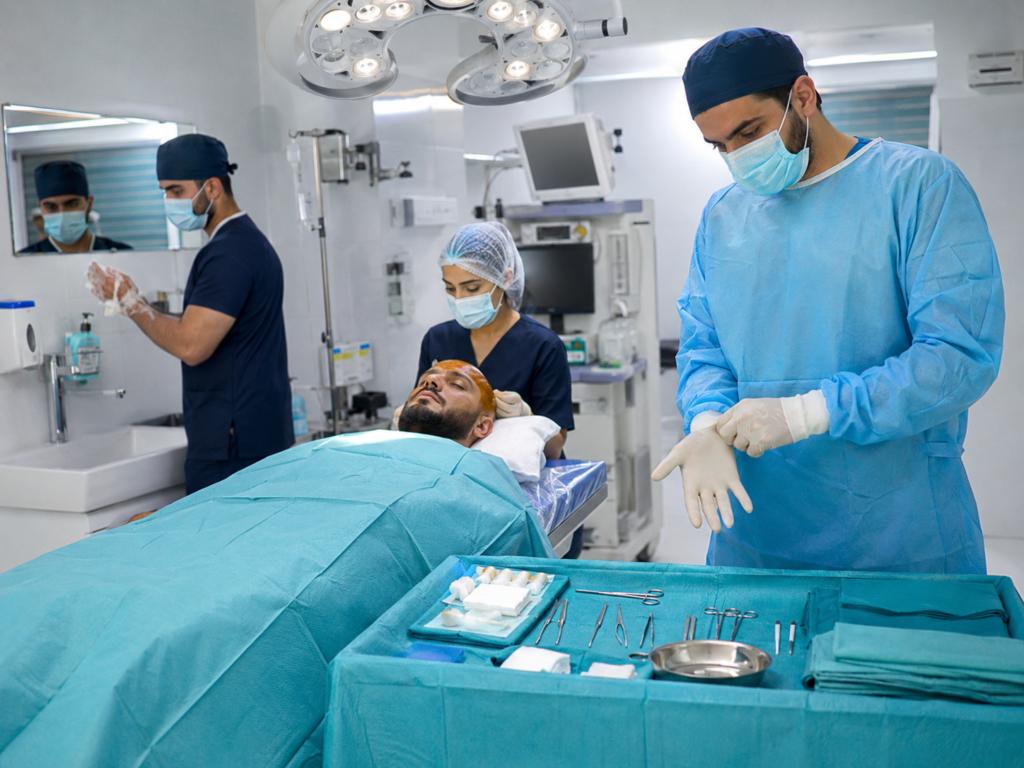
A good dermatology hospital should have a clean environment, sterile instruments, organized procedure rooms, and a proper hygiene system. In procedures such as subcision, fillers, Botox, PRP, mesotherapy, hair transplant, mole removal, and laser treatment, the sterility of instruments and cleanliness of the environment are very important.
Poor hygiene may lead to infection, inflammation, scarring, delayed wound healing, and serious complications. Therefore, patients should pay attention to the cleanliness of the environment, the way instruments are used, gloves, disinfectants, and the professional behavior of the medical team.
4. Standard and Suitable Devices
In dermatology and aesthetic services, the quality of devices plays an important role. Laser hair removal devices, fractional CO2 laser, HIFU, microneedling RF, skin rejuvenation devices, and procedural instruments should be standard, adjustable, and suitable for the patient’s skin type.
Incorrect device use or inappropriate energy settings may cause burns, post-inflammatory pigmentation, scars, or ineffective treatment. The best dermatology hospital should adjust devices according to skin type, the type of condition, and the patient’s situation, rather than using the same settings for everyone.
5. Experience With Common Skin Problems in Afghanistan
In Afghanistan, some skin conditions are more common because of strong sunlight, dust, incorrect use of creams, self-medication, skin infections, and limited access to specialist care. Acne, acne scars, facial pigmentation, melasma, fungal skin infections, scabies, leishmaniasis, eczema, hair loss, and skin allergies are very common problems.
A good dermatology hospital in Kabul should be familiar with these common conditions and should create practical treatment plans that are suitable for patients in Afghanistan.
6. Clear and Honest Consultation
In dermatology and aesthetic care, the patient should know before starting treatment when results may appear, how many sessions may be needed, what side effects are possible, what aftercare is required, and whether the result is permanent or needs maintenance.
For example, acne scars usually do not disappear completely in one session. Laser hair removal requires multiple sessions. Melasma may return. Hereditary hair loss often requires long-term treatment. A good dermatology hospital should explain these facts clearly and avoid unscientific promises.
The Best Dermatology Hospital for Acne and Acne Scars
Acne is one of the most common reasons patients visit a dermatology hospital. Proper acne treatment should be based on disease severity, type of acne, patient age, gender, previous medications, and risk of scarring. Severe nodular and cystic acne may lead to permanent scars and skin pits if treatment is delayed.
A good dermatology hospital should first control active acne and then create a separate plan for acne scars. For acne scars, treatment may include subcision, fractional CO2 laser, microneedling RF, TCA CROSS, punch techniques, or a combination of methods. The choice of treatment should be based on the type of scar, not a single method for all patients.
The Best Dermatology Hospital for Facial Pigmentation and Melasma
Facial pigmentation and melasma are very common in Kabul, especially among women and people who are frequently exposed to sunlight. Melasma treatment requires accurate diagnosis, proper sunscreen, medical creams, continuous care, and sometimes careful procedures.
A good dermatology hospital should distinguish between melasma, sun spots, acne marks, freckles, and post-inflammatory pigmentation. Self-use of whitening creams or inappropriate laser treatment may worsen pigmentation. Therefore, treatment of facial pigmentation should be performed under the supervision of a dermatologist.
The Best Dermatology Hospital for Hair Loss and Hair Transplant
Hair loss has many different causes. Some patients have hereditary hair loss, while others develop hair loss after stress, fever, surgery, childbirth, or nutritional deficiencies. Some patients may have alopecia areata, scalp inflammation, or hormonal problems.
A well-equipped dermatology hospital should evaluate the cause of hair loss before recommending PRP, mesotherapy, medication, or hair transplant. Hair transplant is not suitable for every patient. The donor area, patient age, type of hair loss, patient expectations, and general health should be carefully assessed.
The Best Dermatology Hospital for Aesthetic Services
Aesthetic services such as Botox, fillers, HIFU, laser, hydrafacial, chemical peeling, PRP for the face, and skin rejuvenation should be performed by a professional team in a medical environment. Choosing the wrong procedure may lead to poor results or complications.
For dynamic wrinkles, Botox may be appropriate. For volume loss or depressions, fillers may help selected patients. For skin laxity, HIFU may be useful in some individuals. For scars and rejuvenation, laser or microneedling RF may help. However, no single method is suitable for every patient. A good dermatology hospital should create a separate treatment plan for each patient.
Signs of a Non-Standard Dermatology Center
If a center recommends the same medicine or procedure to all patients without proper examination, promises 100% results, does not explain side effects, uses unknown creams, operates devices without assessing skin type, or provides no follow-up after treatment, patients should be cautious.
Also, if the environment is not clean, instruments are not sterile, the patient’s medical information is not recorded, or the patient is not given time to ask questions, that center may not be a safe choice for dermatology and aesthetic care.
What Information Should Patients Prepare Before Visiting a Dermatology Hospital?
Before visiting a dermatology hospital, patients should prepare information about the duration of the problem, previous medications, drug allergies, previous diseases, current medications, pregnancy or breastfeeding status, previous photos of the condition, and their expectations from treatment. This information helps the doctor make a more accurate diagnosis and create a better treatment plan.
Patients should avoid using multiple creams without medical advice before the visit, because this may change the original appearance of the disease and make diagnosis more difficult.
The Role of Follow-Up After Treatment
Follow-up is very important in dermatology. Some medicines need dose adjustment. Some procedures require aftercare. Some conditions such as melasma, hereditary hair loss, psoriasis, eczema, and acne require continuous control.
A good dermatology hospital should explain when the patient should return, which warning signs should be taken seriously, which medicines should be continued, and what activities should be avoided after procedures.
Conclusion
The best dermatology hospital in Kabul is a place that has dermatology specialists, scientific diagnosis, a clean environment, standard devices, a professional team, honest consultation, and a proper follow-up system. For conditions such as acne, acne scars, facial pigmentation, melasma, hair loss, fungal skin infections, eczema, psoriasis, warts, moles, laser hair removal, Botox, fillers, hair transplant, and skin rejuvenation, choosing a reliable hospital can help prevent complications, misuse of medications, and poor results.
If you have a problem with your skin, hair, nails, or need aesthetic services, it is better to avoid self-treatment and be examined by a dermatologist in a well-equipped dermatology hospital, so the main cause can be identified and safe, scientific, and proper treatment can begin.
Let’s talk about your skin
Contact our reception team to arrange a consultation or ask about our services.
This article provides general information and does not replace a medical consultation.